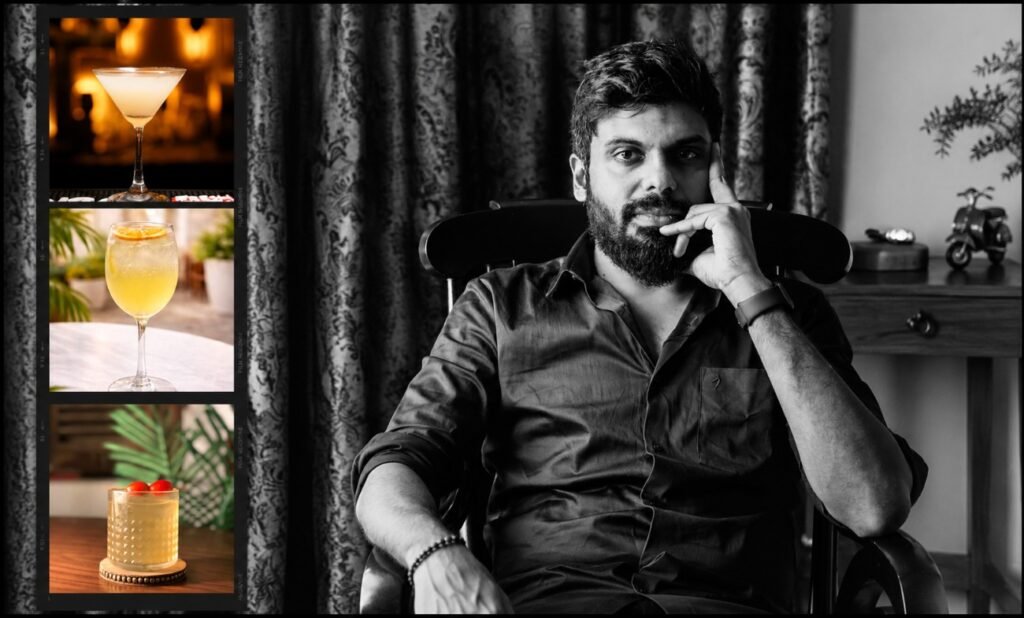
In Pondicherry’s White Town, a discreet blue door opens into a different pace of life. Behind it stands Sola Bistro and Bar, housed within a restored colonial bungalow that has witnessed decades of change. Today, the property is known for artisanal cocktails, slow-fermented food, and a garden designed for lingering conversations. Yet beyond the carefully preserved walls, Sola is confronting a challenge that has become familiar across the hospitality industry: hospitality inflation.
The story of Sola began long before its first cocktail was poured. Founder and CEO Tejasvi Suresh Bala spent nearly three years searching for a property that could become more than just another restaurant. What he eventually found was a neglected colonial bungalow with deep historical roots and significant architectural character.
When the team acquired the property, much of the structure had deteriorated. Rather than rebuild it into a contemporary venue, they chose restoration. Over eight months, original walls were revived, traditional red oxide flooring was retained, and the property’s garden, populated by banana plants, was preserved. The objective was not to create a themed restaurant but to allow the building’s identity to shape the guest experience.
That decision would later prove valuable as hospitality inflation began reshaping the economics of running independent venues across India.
Hospitality Inflation Is Reshaping Independent Hospitality
For operators dependent on imported ingredients and premium beverage programmes, the past few years have been particularly challenging. Ongoing geopolitical conflicts, supply chain disruptions, freight volatility, and currency fluctuations have driven up costs across multiple categories.
Indian Beer Market And Case Study Of Four States
At Sola, imported spirits, artisanal cheeses, specialty ingredients, and packaging have experienced some of the sharpest increases.
“Imported categories such as spirits, artisanal cheeses, specialty ingredients, and packaging have seen the sharpest inflation, with costs increasing by nearly 20–30% in some segments due to freight volatility, currency fluctuations, and global supply disruptions,” says Bala. “Imported alcohol has been particularly affected.”
The impact of hospitality inflation has been felt across the industry. Independent operators often lack the purchasing power and supply chain leverage available to larger restaurant groups, making them especially vulnerable when multiple cost pressures emerge simultaneously.
For Sola, the challenge has not simply been managing higher expenses. It has been protecting the experience that guests associate with the brand while maintaining financial sustainability.
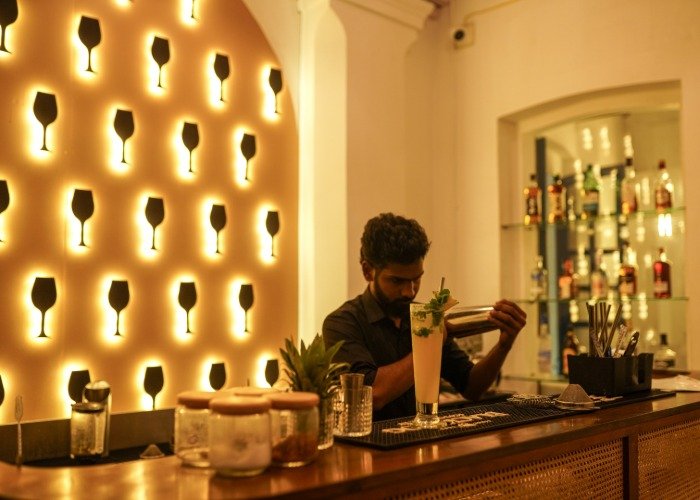
Absorbing Hospitality Inflation Without Compromising Experience
Many hospitality businesses have quietly adopted what industry insiders describe as “silent cost absorption”: accepting lower margins rather than passing the full extent of inflationary increases on to customers.
Sola has followed a similar path.
While menu adjustments have become necessary, Bala says the business has consciously absorbed a significant portion of rising costs internally.
“Guests come not just for the food or cocktails, but for the atmosphere, energy, and sense of escape the space creates,” he explains. “Protecting that experience while maintaining quality has remained a priority despite growing operational pressures.”
The approach reflects a broader reality facing concept-driven hospitality brands. Raising prices too aggressively risks damaging customer loyalty, while absorbing costs indefinitely can limit investment, innovation, and profitability.
The balancing act becomes even more delicate when the venue’s identity is built on premium ingredients, handcrafted cocktails, and carefully curated experiences.
Hospitality Inflation and Changing Consumer Behaviour
Despite widespread concerns about economic uncertainty, Sola has not witnessed a dramatic decline in spending. Instead, customer behaviour has become more intentional.
According to Bala, guests are evaluating value more carefully before deciding where to dine or socialise. Rather than ordering impulsively, consumers are increasingly gravitating toward curated experiences and distinctive products.
The shift is particularly visible at the bar.
Alcohol consumption has become more selective, with guests showing greater interest in signature cocktails and venue-specific offerings than standard drink choices. Rather than reducing consumption entirely, many customers appear to be prioritising quality, storytelling, and atmosphere.
This trend has worked in Sola’s favour. The venue’s heritage architecture, layered interiors, live pizza-making experience, and garden setting create a sense of occasion that extends beyond the menu itself.
As a result, repeat visits have remained relatively resilient despite broader economic caution.
Tourism Volatility Adds Another Layer of Pressure
For destination-led hospitality businesses, hospitality inflation is only part of the equation.
Pondicherry’s hospitality ecosystem remains heavily influenced by tourism patterns. Rising airfares, changing travel preferences, and global economic uncertainty have introduced greater unpredictability into seasonal demand.
Peak periods that once followed familiar patterns are becoming less reliable.
Yet Sola’s position within the market offers a degree of insulation. While tourists form an important customer base, the venue has cultivated strong local patronage by establishing itself as a lifestyle destination rather than a purely tourist-oriented attraction.
That dual appeal has helped stabilise footfall during periods when visitor numbers fluctuate.
The strategy highlights an increasingly important lesson for independent operators: destination appeal alone is no longer enough. Building local relevance has become essential for long-term resilience.
Beyond Survival: Preserving Identity in an Uncertain Market
For independent hospitality businesses, the greatest risk is rarely a single challenge. Rising rentals, labour costs, import dependency, logistics disruptions, and shifting consumer confidence often arrive simultaneously.
For concept-driven venues such as Sola, the pressure is even greater because the experience itself is the product. Guests return not only for food and beverages but also for atmosphere, design, music, and a sense of belonging. Compromising those elements can weaken the very identity that drives customer loyalty.
As hospitality inflation continues to test operators across the industry, Sola’s experience demonstrates that resilience is not simply about cost management. It is about protecting the qualities that make a venue worth visiting in the first place.
In a restored colonial bungalow in White Town, that philosophy has allowed Sola to navigate rising costs and economic uncertainty without losing sight of what made the space special from the beginning.