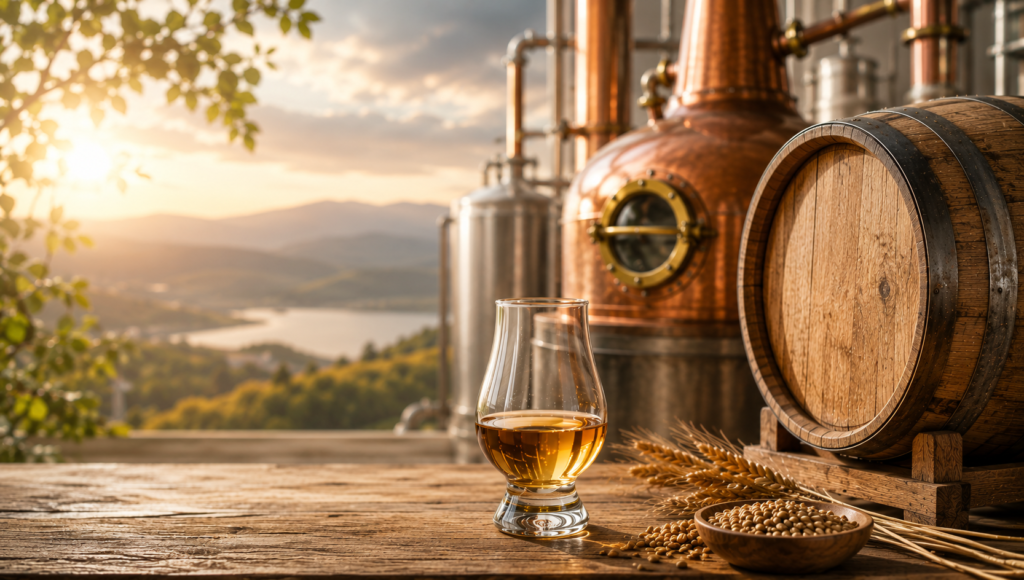
From Scottish distilleries hidden in the Highlands to India emerging as one of the world’s fastest-growing whisky markets, whisky today is more than just a spirit — it is a global industry built on history, craftsmanship, trade, and culture.
Celebrated every year on May 16, World Whisky Day has become a tribute not only to the drink itself, but also to the stories, traditions, and innovations that continue to shape the whisky landscape worldwide.
Tilaknagar Industries: Beyond Its Brandy Legacy
A Spirit Rooted in History
The origins of whisky remain one of the drinks industry’s longest-running debates. Ireland and Scotland both lay claim to the spirit’s beginnings, and historical records support both narratives.
The earliest documented reference to whiskey appears in the Irish Annals of Clonmacnoise in 1405, which recorded a local chieftain dying after consuming “a surfeit of aqua vitae” during Christmas celebrations. Scotland’s earliest written record arrived later, in 1494, when the Exchequer Rolls noted that Friar John Cor was given “eight bolls of malt” to produce aqua vitae: enough to create nearly 1,500 bottles of spirit.
The term itself comes from the Gaelic phrase uisce beatha, meaning “water of life,” a name that still reflects whisky’s cultural significance centuries later.
The Science Behind the Spirit
At its core, whisky production remains remarkably unchanged despite advances in modern distillation technology.
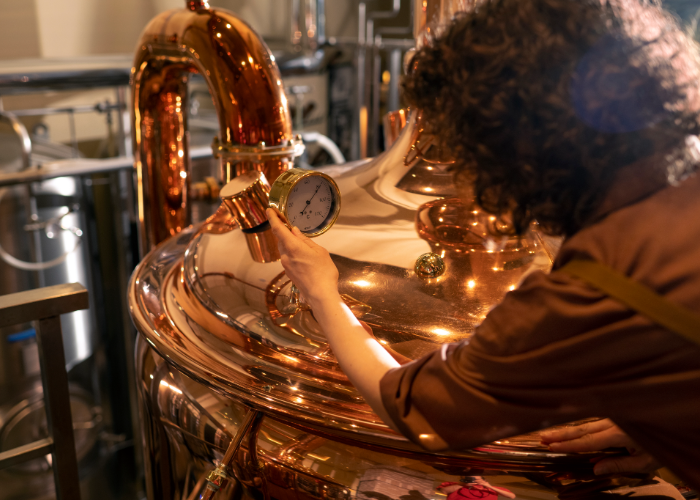
The process begins with grains, typically barley, corn, rye, or wheat, which are malted and fermented before undergoing distillation in copper stills. But it is maturation that defines whisky’s character.
“Wood makes whisky,” is a phrase often repeated across the industry, and for good reason. Industry experts estimate that nearly 60–80% of whisky’s flavour profile comes from the cask during aging. Oak barrels contribute notes of vanilla, caramel, spice, smoke, dried fruit, and tannins, while climate conditions influence how quickly the spirit matures.
Scotch whisky, by law, must mature in oak casks for a minimum of three years. Bourbon, meanwhile, requires new charred oak barrels, which explains its sweeter vanilla-forward profile.
Whisky vs Whiskey: More Than Just a Letter
One of the most common questions among consumers is the difference between “whisky” and “whiskey.”
The distinction is largely geographical. Scotland, Japan, and Canada use “whisky,” while Ireland and the United States adopted “whiskey.” Historians suggest Irish distillers added the “e” in the 19th century to distinguish their spirits from Scotch imports.
Production methods also vary. Scotch whisky is often distilled twice and can feature smoky, peated characteristics, while Irish whiskey is commonly triple-distilled, producing a lighter and smoother profile.
India’s Growing Love Affair With Whisky
India is no longer just a large consumer market for whisky; it is becoming one of the most influential players in the global whisky conversation.
According to industry estimates, whisky accounts for more than 60% of India’s total spirits consumption, making it the country’s most dominant alcoholic beverage category. Rising disposable incomes, evolving drinking cultures, and increasing demand for premium experiences are driving growth across premium and luxury whisky segments.
As Sanaya Dahanukar, Marketing Manager at Tilaknagar Industries Ltd., notes:
“Whisky is India’s most aspirational and loved spirit, with rising demand for premium and luxury-led expressions. The market signals are clear as well; whisky now accounts for over 60% of India’s total spirits consumption.”
This shift is also changing consumer behaviour. Younger drinkers are becoming more curious about cask finishes, provenance, single malts, and craft distillation techniques — trends that were once considered niche in India.
Globally, the whiskey market was valued at nearly USD 68 billion in 2023 and is expected to grow significantly over the next decade, driven by premiumisation and expanding consumer interest in artisanal spirits.
More Than a Drink
Today, whisky exists at the intersection of heritage and innovation.
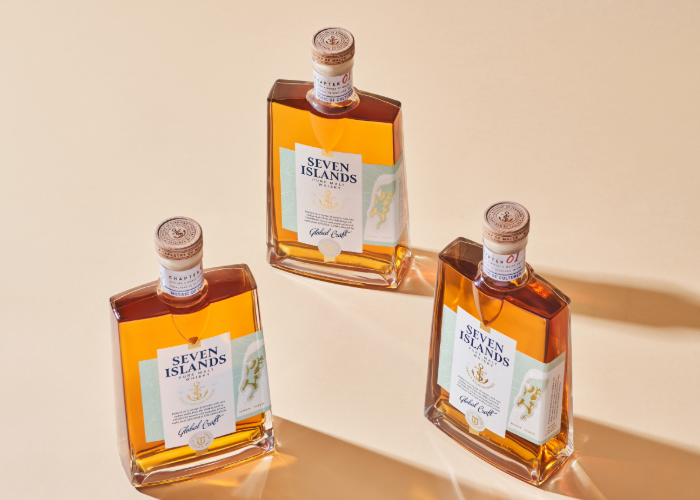
Distilleries are experimenting with everything from wine-finished casks and regional grains to sustainability initiatives and AI-assisted maturation tracking. At the same time, whisky tourism, tasting communities, and collector culture continue to expand globally.
As whisky writer Dave Broom once said, whisky is “not about exclusivity, it’s about sharing stories.” That philosophy perhaps explains why the spirit continues to resonate across generations and markets alike.
Because ultimately, behind every bottle lies more than alcohol. There is history. Geography. Craftsmanship. Patience.
And on World Whisky Day, that is truly worth raising a glass to.