
The Indian whisky story is entering a fresh chapter, one shaped by younger drinkers, changing lifestyles, and a renewed interest in authenticity. The category is still vast and diverse, but its direction feels sharper than ever. Consumers today want more meaning in their glass. They look beyond age statements and familiar labels, seeking stories, craft, and identity. This shift is reshaping the country’s whisky culture from the ground up.
As we move into 2026, four major forces stand out: a younger India that embraces experimentation, a rise in craft and local pride, an expanding base of women whisky drinkers, and a clear divide between who drives volume and who drives culture. Together, these signals point toward a vibrant and more inclusive whisky future.
A Younger India Is Driving New Growth
The most significant catalyst for Indian whisky evolution is its young audience. Millennials and Gen Z are entering the category with confidence and curiosity. Unlike earlier generations, they are not bound by long-standing loyalties or rigid ideas of what whisky should taste like. Their choices are flexible and influenced by global travel, pop culture, digital discovery, and a desire for personal expression.
This younger demographic is open to trying new finishes, lighter styles, and craft-led experiments. They enjoy whisky at home as much as in bars, often pairing it with food or using it in cocktails. For them, whisky is not a status symbol; it is an experience. They want to know what makes a particular bottle different: the grain, the cask, the brand story, the provenance. Their demand pushes brands to innovate faster, from flavour profiles to packaging and storytelling.
The Year Of Indian Single Malts
And the market numbers reflect this shift. The overall Indian whisky market reached approximately 260 million cases in 2024, and is expected to climb to around 541 million cases by 2034, at a compound annual growth rate (CAGR) of 7.6%. Moreover, the broader alcoholic-beverage market saw volume growth of about 7.5% in 2023, reaching 6.7 billion litres, with whisky estimated as the dominant part of spirits consumption.
This younger consumer mindset also drives the trend of premiumization. They may drink less frequently but choose better when they do. They seek value in quality, not quantity — and this mindset is driving growth across premium Indian malts, imported labels, and new-age whiskies.

Craft & Local Stories Are Winning
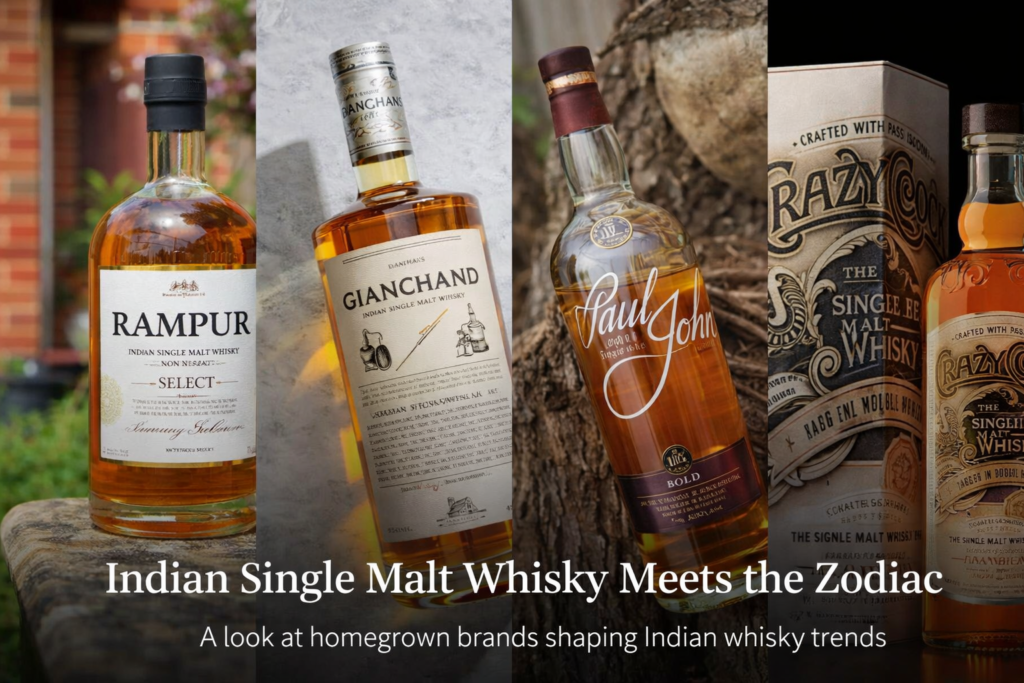
If young India is driving demand, craft distillers are rewriting the narrative of what Indian whisky can be. A new wave of home-grown brands is capturing attention with regional grains, climate-driven maturation, and bold experimentation. These distilleries focus on transparency and authenticity, traits that resonate strongly with modern drinkers.
Local stories have become powerful differentiators. Consumers want to know how the natural elements around a distillery shape the whisky, whether it’s the mineral profile of the water, the character of the grain, or the influence of tropical ageing. This interest is pushing brands to go deeper into terroir and craftsmanship.
The data backs this shift: the Indian single-malt whisky market alone was valued at about USD 1.5 billion in 2024 and is projected to reach around USD 3.2 billion by 2034, growing at a CAGR of 8.1%. Meanwhile, Indian-produced malts have grown their share of the local market, from about 15% in 2017 to around 33% by 2022.
Craft whisky also brings a sense of pride. Indian consumers today are more willing to champion local products that hold their own on the global stage. Awards, international recognition, and global collaborations help reinforce this confidence. The success of these distilleries signals that Indian whisky is not just competing internationally, it is contributing to the world whisky conversation in its own unique voice.
Women Are a Key Growth Demographic
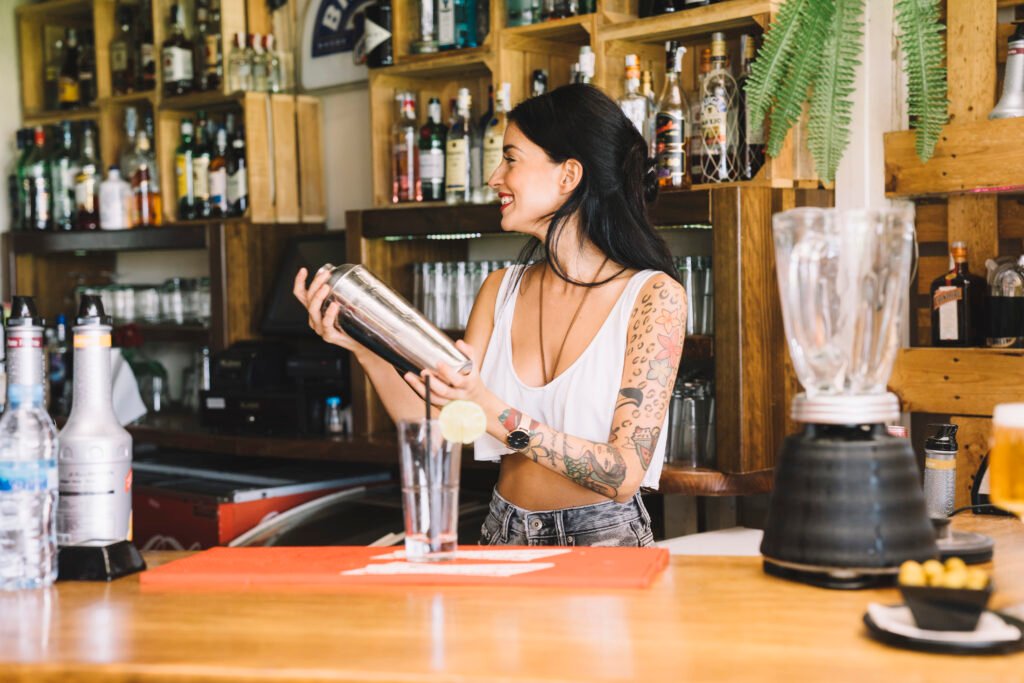
Another exciting shift is the rising number of women entering the whisky space—not as occasional consumers, but as confident, informed drinkers. Women today purchase whisky for themselves, host tasting evenings, explore premium expressions, and actively engage with the category across social spaces.
This growing demographic is expanding the shape of demand. Smoother, more flavour-forward expressions appeal strongly, but what truly matters is openness, inclusivity, and a brand experience that avoids stereotypes. Tasting rooms, whisky festivals, and bar programs are witnessing higher female participation, signalling a healthier and more diverse ecosystem.
Brands have taken notice. Many now invest in gender-neutral design, thoughtful storytelling, and community-driven experiences that welcome all kinds of drinkers. As women gain visibility in India’s whisky culture, whether as consumers, professionals, or creators, the category becomes richer and more dynamic.
While explicit data on female whisky buyers is limited, industry commentary suggests that the contribution of women to premium spirits growth is significant, especially in urban markets where choice and experience matter more than tradition.

Gen X Still Drives Volume, but Gen Z Drives Culture
The Indian whisky market remains anchored by Gen X and older millennials. They contribute the largest share of sales and tend to remain loyal to classic profiles and long-established brands. For them, whisky is often associated with tradition, familiarity, and social bonding. This segment ensures stability in the market and continues to power overall volume.
But the cultural influence belongs firmly to Gen Z.
Gen Z shapes the digital conversation, dictates new consumption occasions, and influences what bars and restaurants choose to feature. Their preferences, whether for lighter styles, craft finishes, or story-rich brands, often set trends that ripple through the industry. While they may not yet match older consumers in volume, their cultural impact is outsized and transformative.
This split creates a unique balance in India’s whisky landscape: one group sustaining the base, the other pulling the category into the future.
Conclusion
India’s whisky market is expanding with new confidence and new expectations. Younger consumers are asking brands to innovate. Craft distilleries are rewriting the rules with authenticity and regional pride. Women are emerging as a powerful and engaged drinking demographic. And while Gen X keeps the category stable, Gen Z reshapes how whisky is perceived and enjoyed.
Together, these forces are creating a whisky culture that is more open, more experimental, and unmistakably contemporary. India is not only the world’s largest whisky market; it is now one of its most influential, driven by a generation that is ready to chart its own path, one sip at a time.