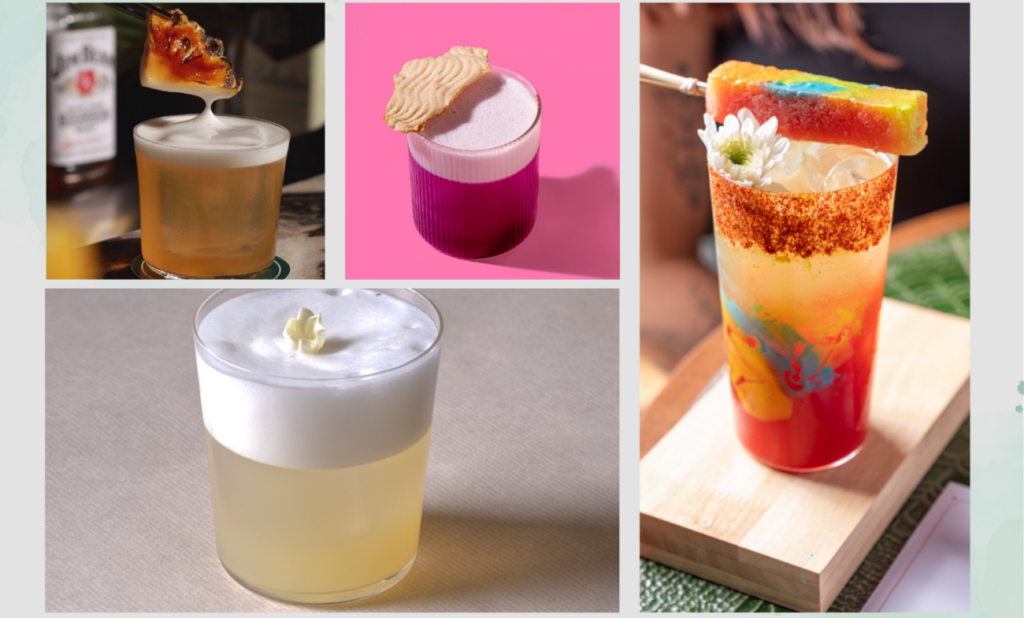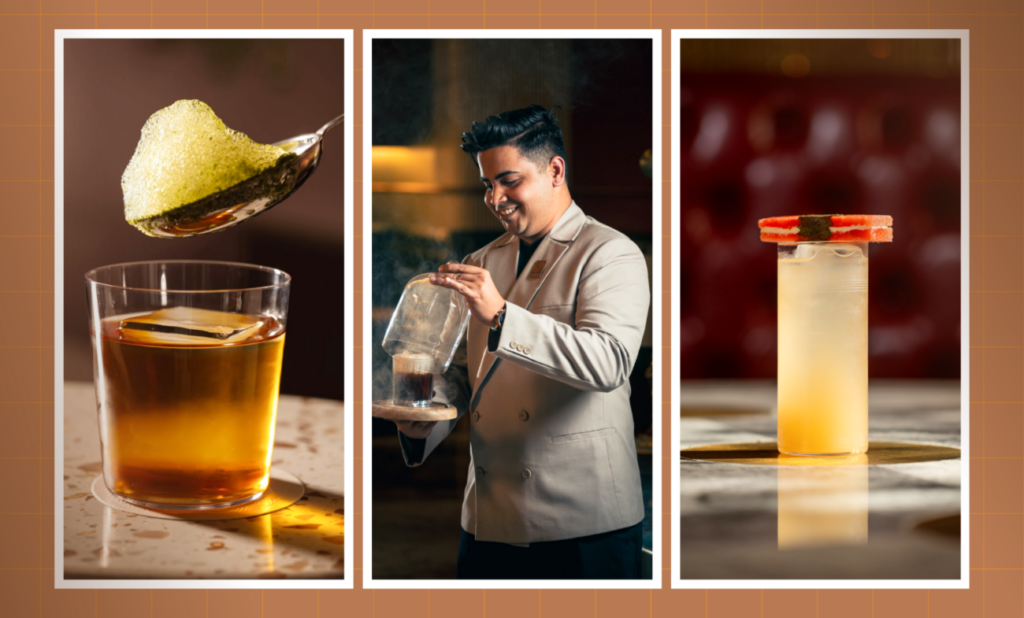
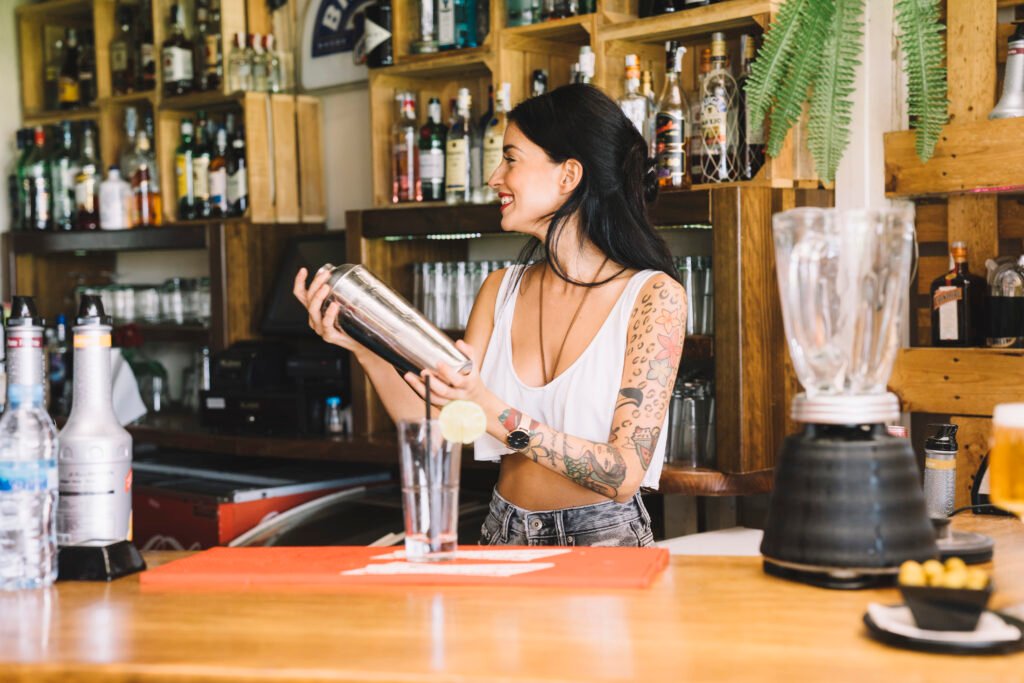
A day that celebrates the people who know your drink before you do, February 24, World Bartender Day, isn’t just another date on the industry calendar. It’s a nod to the people who remember your usual, rescue a bad day with a well-timed pour, and somehow convince you to try a spirit you swore you didn’t like.
Today’s bartenders aren’t just mixing drinks; they’re shaping tastes, they’re changing thoughts. The craft cocktail movement has turned bars into spaces of discovery, where a single recommendation can shift a guest from a standard whisky soda to a smoky mezcal cocktail. And just like that, consumption patterns change — one curious sip at a time.
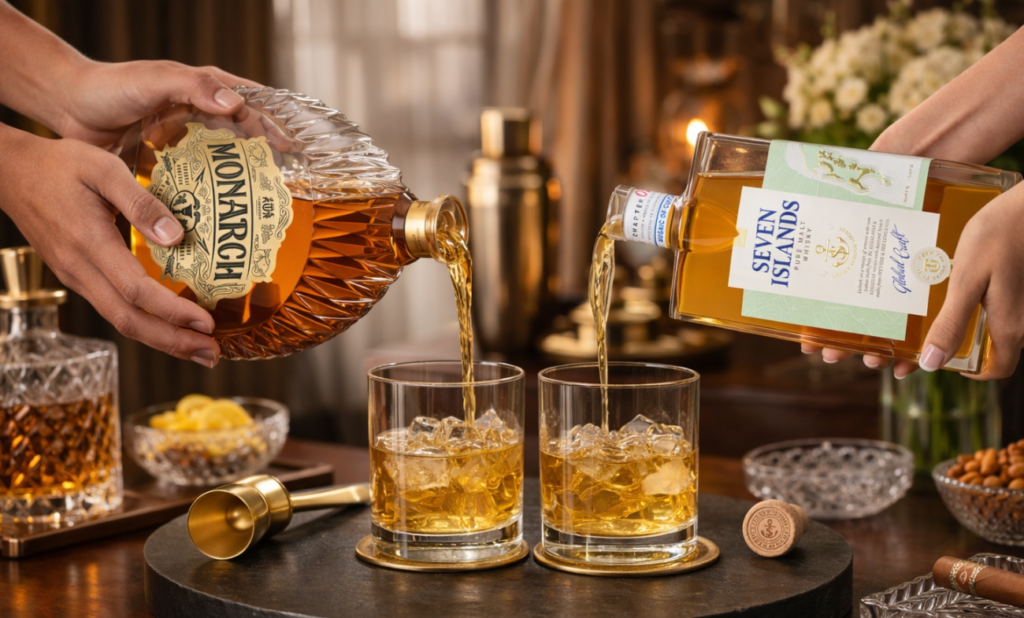
Indian Whisky Trends: A Zodiac Guide To Homegrown Single Malts
Craft Cocktails: When Drinking Became an Experience
There was a time when going out meant ordering “the usual” and calling it a night. Then came the craft cocktail wave, bringing back forgotten classics, fresh ingredients, and the idea that a drink could tell a story.
Suddenly, bars were making their own syrups, squeezing citrus to order, and garnishing with herbs that looked suspiciously like they came from someone’s balcony garden. But behind the theatrics was a serious shift: people started caring about what went into their glass.
Instead of asking, “What’s strong?” guests began asking, “What do you recommend?” That question alone has done more for premium spirits than any marketing campaign.
How Craft Cocktails Are Changing What We Drink
Premium Is the New Normal
A well-made cocktail has a funny way of justifying an upgrade. A guest who walks in planning to order a basic G&T often walks out having discovered a small-batch Indian gin with citrus-forward botanicals. Not because they planned to spend more, but because the bartender made it sound worth it.
ProWine Mumbai 2025 Marks Its Successful Wrap Up
Cocktails have become a gateway to premiumisation. If the drink tastes better and the story is compelling, the price suddenly feels secondary.
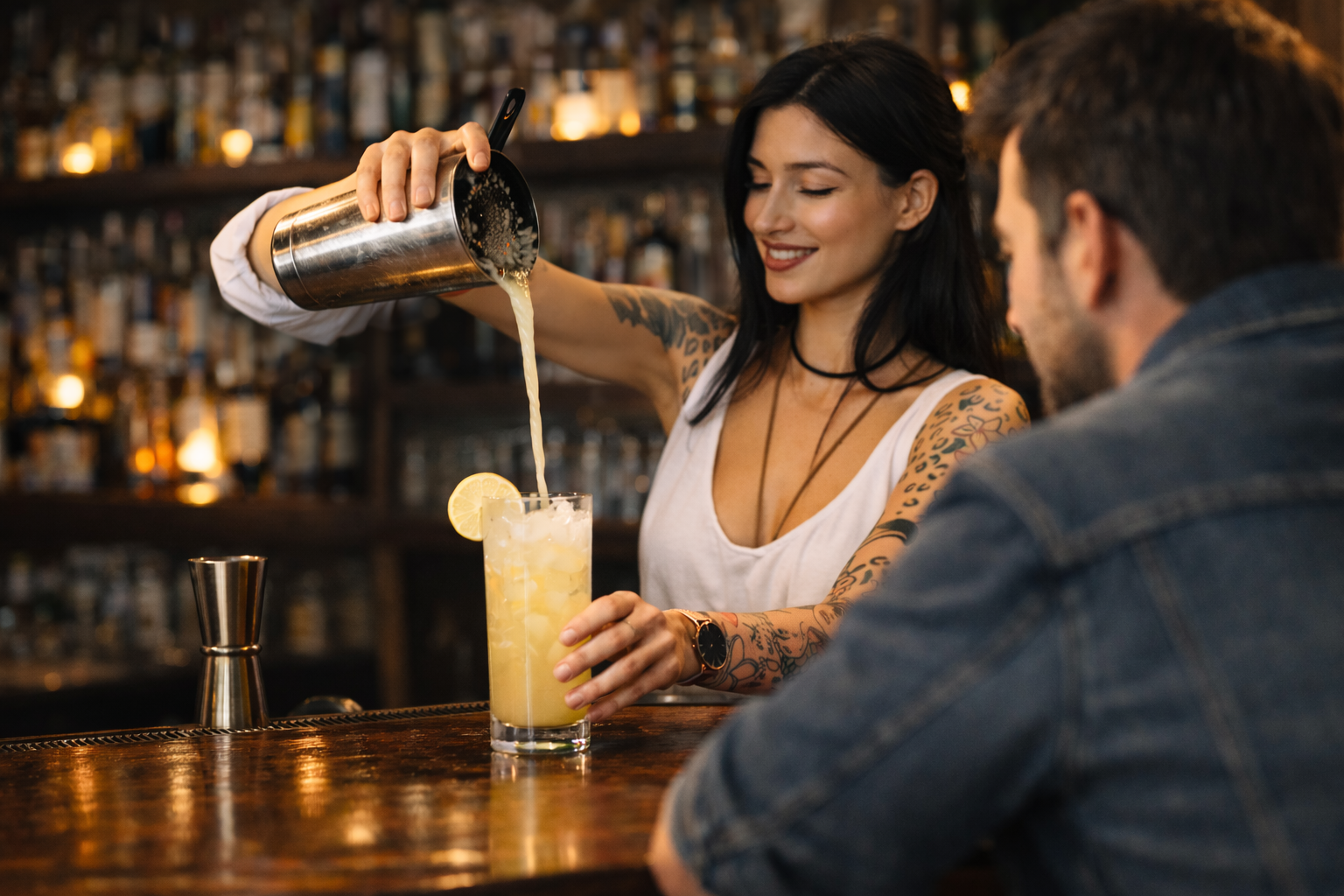
The Comeback Kids: Vermouth, Bitters & Friends
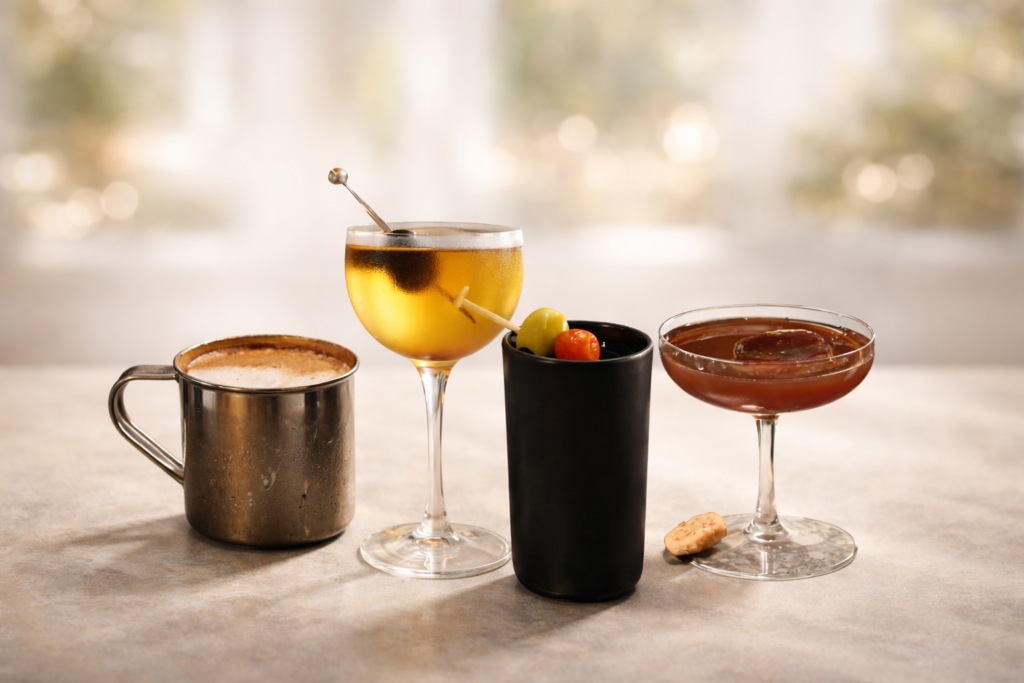
Once upon a time, vermouth gathered dust on back shelves. Today, it’s back in the spotlight, thanks to Martinis, Negronis, and Spritzes reclaiming their place on menus.
Bitters, amaros, and aperitifs are no longer “bartender-only” ingredients. Guests are asking about them, Googling them, and, occasionally, attempting questionable home experiments with them — very questionable.
Local, Seasonal, and a Little Bit Genius
From curry leaf-infused syrups to kokum reductions, bartenders are turning local ingredients into conversation starters. It’s part sustainability, part creativity, and part “let’s see if this works.” (It usually does.)
Low-waste practices, in-house infusions, and seasonal menus aren’t just good for the planet; they make drinks feel personal. And personal drinks are memorable drinks.
The result: cocktail menus are quietly dictating what bottles bars reorder and what brands consumers start recognising.
India’s Cocktail Scene: Shaken, Stirred, and Just Getting Started
India’s craft cocktail movement has grown up fast. In metros like Mumbai, Delhi, and Bengaluru, speakeasies and experimental bars have turned drinking into an immersive experience. Hidden entrances, storytelling menus, and bartenders who double as flavour translators — it’s all part of the charm.
What’s exciting is the unmistakable Indian identity emerging in these drinks. Tamarind in Margaritas. Jaggery in Old Fashioneds. Curry leaves where mint once ruled. These aren’t gimmicks; they’re reflections of place.
Urban consumers are clearly leaning towards premium experiences, choosing quality over quantity. And the next wave is already forming. Tier-2 cities are catching on, travellers are bringing expectations home, and Instagram is doing what it does best: making everyone curious.
Indian craft spirits are also finding their moment. When bartenders champion local gins and rums on their menus, they’re not just filling a slot; they’re building credibility and giving homegrown brands a global voice.
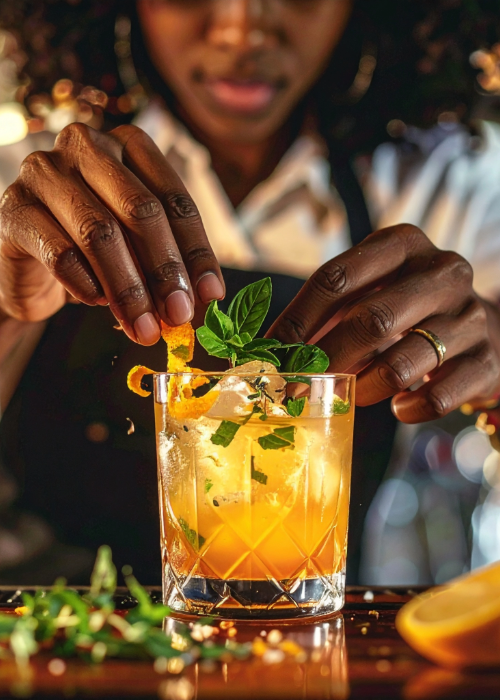
A Veteran’s Perspective: Shatbhi Basu on How the Bar Has Evolved
Few people have witnessed India’s bar culture evolve as closely as Shatbhi Basu, Independent Director at Mount Everest Breweries Ltd. and one of India’s pioneering mixologists. Often credited with professionalising bartending in the country, she has spent decades training talent, shaping beverage programmes, and advocating for hospitality as a serious profession.
Reflecting on the journey, she notes how dramatically the landscape has changed.
“When I look back at the early days, bartending in India feels like a different era altogether. It was largely male-dominated, and the job itself was not always taken seriously. We did not have formal training programmes, easy access to great ingredients, or much exposure to what was happening globally. Most professionals learned on the job and figured things out as they went along.”
Today, she sees a new generation bringing confidence and intent behind the bar.
“Young bartenders walk in with knowledge, confidence, and intent. They understand flavour balance, technique, and presentation. They take pride in what they do. Guests, too, are far more aware and curious, which pushes the craft forward.”
While sourcing challenges remain, she believes the creativity and professionalism in India’s bar scene signal a strong future.
Why World Bartender Day Actually Matters
For Basu, the significance of World Bartender Day lies in recognition.
“This day shines a light on the people who make hospitality come alive. Behind every great evening out is someone who has worked hard to master their craft. This day simply says, we see you, and we value what you do. That recognition matters.”
It’s a reminder that bartenders are educators in disguise. They explain agave without sounding like a textbook. They introduce guests to Indian craft spirits without making it feel like a lecture. And they know when to stop talking and just let the drink do the convincing.
Investing in their training and growth isn’t charity — it’s smart business. An informed bartender can move a brand from the back shelf to the bestseller list faster than any ad campaign.
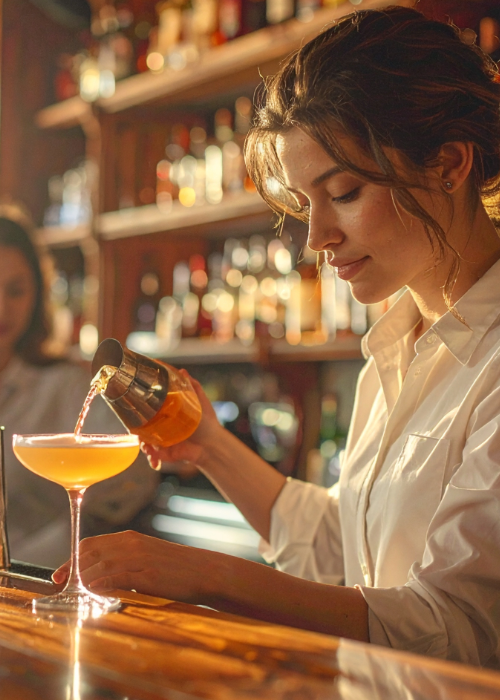
Looking Ahead: Inclusion, Responsibility, and Mentorship
Basu hopes the future of the industry will be shaped by greater inclusion and responsibility.
“I would love to see more women step into bartending because they genuinely enjoy the craft and want to build a career in it. Passion and discipline are what sustain you in this profession.”
She also emphasises responsible drinking and mentorship as pillars of sustainable growth.
“Education should never stop, whether for those behind the bar or those sitting across it. I would also like to see stronger mentorship. When experienced professionals guide the next generation, the industry grows in a healthier way.”
At its heart, she reminds us, bartending is about care and responsibility — values that will determine the industry’s future.
The Future Is Being Built One Cocktail at a Time
Craft cocktails have changed the way the world drinks, and India is right in the middle of its most exciting chapter yet. As experiences replace routine orders, bartenders remain the bridge between brands and consumers: part host, part storyteller, part trend forecaster.
So this World Bartender Day, raise a glass to the people behind the bar. They’re not just making drinks. They’re shaping preferences, building brands, and — occasionally — saving us from ordering something boring.